



When it comes to our eyes, choosing a doctor is not something we should rush. Whether you are dealing with blurry vision, cataracts, dry eyes, glaucoma, or simply need a routine eye checkup, the right ophthalmologist can make the process much easier.
But with so many eye specialists in Gurugram, one common question is: Who is the best eye doctor in Gurugram and why? There is no single answer for everyone. The right doctor depends on your eye condition, treatment needs, and the type of care you are looking for.
What Should You Look for in an Eye Doctor?
A good ophthalmologist should have the right medical qualifications and experience, but there is more to consider.
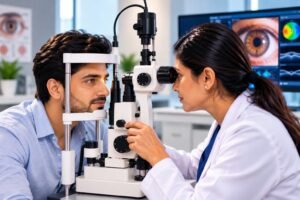
Look for a doctor who:
- Properly examines your eyes before suggesting treatment
- Explains your condition in simple language
- Discusses different treatment options
- Has experience with the procedure or condition you need help with
- Provides appropriate follow-up care
- Uses suitable diagnostic technology
Most importantly, you should feel comfortable asking questions during your consultation.
Dr. Keya Barman: Experience in Comprehensive Eye Care
At Barman Eye Care Centre, Dr. Keya Barman is the Founder & Chief Ophthalmologist. Her areas of expertise include cataract surgery, vision correction, glaucoma care, corneal health, pediatric vision, and comprehensive eye care.
Dr. Barman completed her MBBS from M. P. Shah Medical College, Jamnagar, in 2003, followed by her MS in Ophthalmology from the same institution in 2005. She has also completed a Fellowship in Cataract & Refractive Surgery and is a member of the All India Ophthalmological Society (AIOS).
Her training allows her to manage different eye-care concerns and discuss treatment options based on each patient’s individual condition.
Why Does the Right Diagnosis Matter?
Sometimes, two people can have the same complaint but completely different causes.
For example, blurry vision may be caused by a refractive error, cataract, dry eye, or another eye condition. Treating the symptom without understanding its cause may not address the actual problem.
This is why a detailed eye examination should come before deciding on treatment.
If you are comparing options for the Best Eye Hospital In Gurgaon, consider the qualifications of the ophthalmologist, diagnostic facilities, available treatments, and follow-up care rather than focusing only on advertisements or online ratings.
What About Eye Treatment?
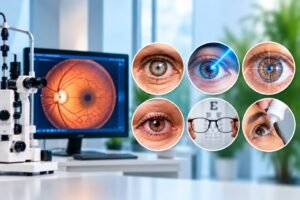
There is no single treatment that can be called the right choice for every patient. Cataract surgery, LASIK, glaucoma treatment, dry eye management, and other procedures are recommended based on individual needs.
f you are searching for the Best Eye Treatment in Gurgaon, start by finding out what is actually causing your eye problem. A qualified ophthalmologist can then explain whether medication, lifestyle changes, glasses, a procedure, or surgery may be appropriate.
How Do You Find the Right Eye Care Centre?
If you are searching for the Best EYE CARE CENTRE near me, location is useful, but it should not be the only factor.
Check the doctor’s qualifications, areas of expertise, diagnostic services, treatment options, and whether the clinic provides proper follow-up. A convenient location is helpful, but the quality of your eye examination and care matters just as much.
Conclusion
So, who is the best eye doctor in Gurugram? Rather than choosing a doctor based only on a title or online claim, look at their qualifications, experience, area of expertise, approach to diagnosis, and the care they provide.
At Barman Eye Care Centre, Dr. Keya Barman provides comprehensive eye care with experience in cataract, refractive, glaucoma, corneal, and pediatric eye care. A proper consultation is the best place to understand your eye health and discuss the treatment options suitable for you.
Frequently Asked Questions
The best eye doctor in Gurugram depends on your eye condition, treatment requirements, and the doctor's qualifications and experience. When choosing an ophthalmologist, consider their specialization, diagnostic facilities, patient reviews, and approach to personalized care. For conditions such as cataracts, LASIK, or dry-eye disease, look for a doctor with relevant experience in that area. A comprehensive eye examination can help you understand your treatment options and choose appropriate care.
To choose an ophthalmologist in Gurugram, check their medical qualifications, clinical experience, areas of specialisation, available diagnostic technology, and follow-up care. Consider whether they regularly treat your specific condition, such as cataracts, glaucoma, or dry eyes. Patient feedback can provide additional insight, but it should not be the only deciding factor. Schedule a consultation to discuss your symptoms, treatment options, potential risks, and expected outcomes.
Look for a qualified ophthalmologist with experience treating your particular eye condition. Important factors include accurate diagnosis, appropriate treatment recommendations, modern diagnostic facilities, transparent costs, and clear communication. If you are considering LASIK or cataract surgery, ask about your suitability, possible complications, recovery time, and follow-up schedule. The right specialist should recommend treatment based on your eye health rather than offering the same solution to every patient.
For cataract surgery, consult an ophthalmologist experienced in cataract evaluation and surgical treatment. The doctor should assess your vision, the severity of the cataract, overall eye health, and the type of intraocular lens that may suit your needs. Ask about the available lens options, surgical techniques, expected visual outcomes, and total treatment costs before making a decision.
For LASIK, consult an ophthalmologist experienced in refractive surgery who can evaluate your prescription, corneal thickness, corneal shape, and tear-film health. For dry-eye symptoms, seek an eye specialist who can assess tear production, tear evaporation, and eyelid health. Since these conditions require different evaluations and treatments, choose a doctor with relevant expertise for your specific concern.
Choosing the right eye hospital helps ensure access to appropriate diagnostic tests, qualified eye specialists, suitable treatment options, and follow-up care. This is particularly important for conditions such as cataracts, glaucoma, and persistent dry eyes, which may require ongoing monitoring or specialised treatment. Before selecting a hospital, review the doctors' qualifications, available facilities, treatment costs, and patient-care standards.