

Eye problems sometimes need more than medicines or a routine check-up. Conditions such as cataracts, glaucoma and retinal diseases may require surgery or specialized treatment. For many families, the cost of treatment is a major concern.
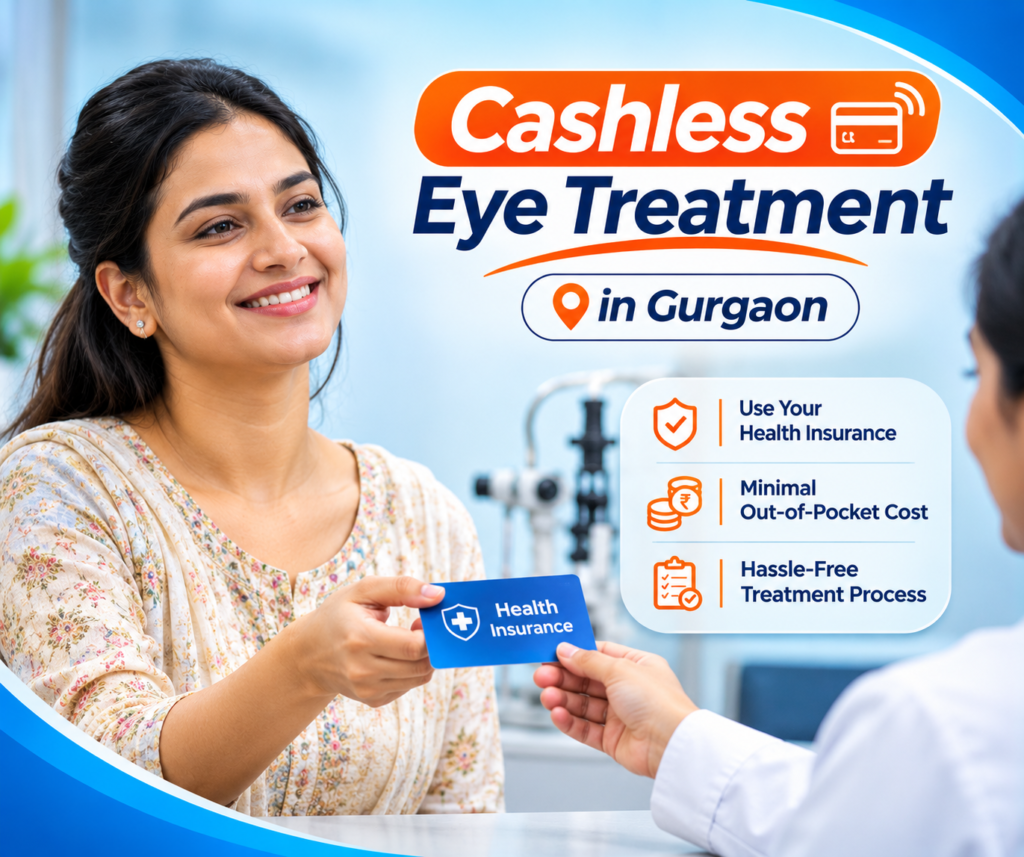
This is where cashless eye treatment can help. If your health insurance policy covers the procedure and the hospital is part of your insurer’s network, you may not have to pay the full approved hospital bill upfront. The insurer settles eligible expenses directly with the hospital.
However, cashless treatment does not mean every expense is automatically covered. Understanding the process can help you plan your eye care with fewer surprises.
Cashless Eye Surgery in Gurugram
Cashless eye surgery allows eligible patients to receive treatment without paying the approved amount directly to the hospital at the time of admission. The hospital coordinates with the insurance company or Third Party Administrator (TPA) for approval and payment.
Cataract surgery is one of the common eye procedures for which patients enquire about insurance coverage. Depending on the policy, other medically necessary eye treatments may also be covered.
Before planning surgery, check a few important details:
- Network hospital: Confirm that the eye hospital is currently part of your insurer’s cashless network.
- Policy coverage: Check whether your specific surgery is covered.
- Waiting period: Some policies have waiting periods or special conditions for certain treatments.
- Pre-authorization: The hospital may need approval from your insurer before surgery.
- Additional expenses: Premium lenses, upgrades, non-medical items or other charges may not be fully covered.
For example, if your doctor recommends cataract surgery with a particular lens, your policy may cover the standard procedure but not the entire cost of a premium lens. Always ask for a written estimate before proceeding.
Which Hospital in Gurgaon Is the Best for Cataract Surgery?
There is no single hospital that is automatically the best choice for every patient. The right hospital should have experienced cataract surgeons, suitable diagnostic facilities, safe surgical arrangements and proper follow-up care.
If you are comparing options, look at:
1. Surgeon’s experience: Check the ophthalmologist’s qualifications and experience in cataract surgery.
2. Diagnostic facilities: Accurate eye measurements help the surgeon plan the procedure and select an appropriate artificial lens.
3. Surgical technology: Ask which technique is suitable for your cataract and why.
4. Insurance support: Confirm whether the hospital accepts your insurer or TPA and assists with pre-authorization.
5. Post-surgery care: Follow-up visits are important for checking healing and vision.
When searching for the best eye clinic in Gurugram, do not make your decision based only on advertisements or package prices. The surgeon’s experience and the quality of care matter just as much.
How to Choose the Right Eye Care Specialist
A good eye specialist should listen to your concerns, examine your eyes properly and explain the available treatment options. You should feel comfortable asking questions about surgery, recovery, possible risks and costs.
Dr. Keya Barman, MBBS, MS (Ophthalmology), is the Founder and Chief Ophthalmologist at Barman Eye Care Centre. She has completed a fellowship in Cataract and Refractive Surgery, with expertise in cataract surgery and comprehensive eye care.
If you are looking for the BEST EYE SPECIALIST near me, check the doctor’s qualifications, relevant experience and approach to patient care. Also ask the clinic about insurance documentation and cashless arrangements before scheduling treatment.
Conclusion
Cashless eye treatment can make necessary eye care easier to plan financially, but coverage depends on your policy, hospital network and insurer approval. Read your policy carefully and confirm all charges before surgery.
Choosing the right eye care team is equally important. A proper examination, clear treatment advice and regular follow-up can help you make informed decisions about your vision.
Frequently Asked Questions
Cashless eye treatment allows eligible patients to receive covered eye-care services at a network hospital without paying the full approved treatment cost upfront. The insurance company or Third-Party Administrator (TPA) settles the approved amount directly with the hospital. Patients may still need to pay for non-covered services, deductibles, co-payments, or expenses exceeding policy limits. Availability depends on your insurance policy, hospital network status, and pre-authorization approval.
Depending on your policy, cashless health insurance may cover medically necessary procedures such as cataract surgery, certain retinal procedures, glaucoma treatment, and other eligible eye surgeries. Routine eye check-ups, spectacles, contact lenses, and some advanced or elective procedures may not be covered. Always check your policy wording and confirm coverage with the hospital's insurance desk before scheduling treatment.
Yes, cashless cataract surgery may be available in Gurgaon if your chosen eye hospital is part of your insurer's or TPA's network and your policy covers the procedure. Coverage can vary depending on the type of lens selected, room eligibility, policy limits, and waiting periods. Contact the hospital and insurer to confirm network status, package limits, and pre-authorization requirements before surgery.
To request cashless eye treatment, follow these steps:
1. Check whether the eye hospital is in your insurance network.
2. Carry your health insurance card and valid identity proof.
3. Consult the ophthalmologist for diagnosis and treatment advice.
4. Submit the required documents for pre-authorization.
5. Wait for approval from your insurer or TPA.
LASIK surgery is generally not covered by standard health insurance policies when performed for routine spectacle removal or refractive correction. However, coverage may depend on specific policy terms and medical circumstances. Check directly with your insurer to understand whether your condition qualifies for an exception and whether cashless approval is available.
Commonly required documents include:
- Health insurance card or policy details
- Government-approved identity proof
- Doctor's consultation and diagnosis records
- Prescribed treatment or surgery details
- Previous medical reports, if applicable
- Completed pre-authorization form