


LASIK is quick. The recovery is generally smooth. But what happens in the weeks after surgery matters just as much as the procedure itself. A lot of patients do everything right going in and then unknowingly slow down their healing by not knowing what to avoid afterwards.
This blog covers exactly that. Not vague general advice, but specific things that can genuinely affect your outcome if you’re not careful.
Rubbing Your Eyes The Most Important One
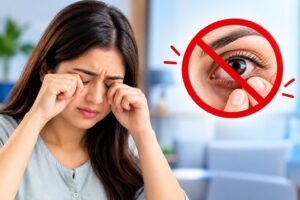
If there’s only one thing you take away from this entire blog, let it be this. Do not rub your eyes after LASIK. Not during the first week. Not during the first month. Ideally not for at least three months.
During LASIK, a thin flap is created on your cornea. In the weeks following surgery, that flap is healing and bonding back into place. Rubbing your eyes even gently, even accidentally while sleeping can dislodge the flap and cause serious complications that require immediate medical attention.
If your eyes feel itchy or irritated, use your lubricating drops. That’s what they’re there for.
Water in Your Eyes
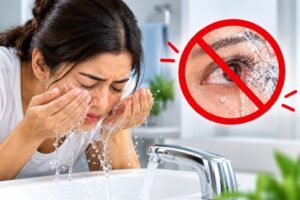
For at least the first two to three weeks after LASIK, water and your eyes need to stay separated.
This means:
- No swimming pools, lakes, or the sea
- No hot tubs or Jacuzzis
- No splashing water directly on your face while washing
- Being careful in the shower tilt your head back, don’t let water run over your eyes
Water carries bacteria that can cause serious infections when the cornea is still healing. A waterproof shield or simply being careful in the shower goes a long way.
Dusty and Smoky Environments

Construction sites, smoky rooms, heavily polluted outdoor areas all of these expose your healing eyes to particles and irritants that can cause inflammation or infection. If your work or daily routine involves these environments, discuss timing with your surgeon before scheduling surgery.
Even household dust from cleaning or sweeping can be more irritating than usual in the first couple of weeks. Use protective eyewear if you genuinely can’t avoid it.
Eye Makeup
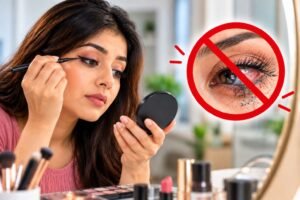
Most surgeons recommend avoiding all eye makeup mascara, eyeliner, eyeshadow, kajal for at least two weeks after LASIK. Some advise longer.
The reason is straightforward. Makeup particles can get into the eye during application or removal, and cosmetic products can carry bacteria that increase infection risk. The area around your eyes is also more sensitive than usual during healing, making reactions more likely.
When you do return to makeup, be gentle around the eye area and make sure your products are fresh not ones that have been sitting open for months.
Contact Sports and Physical Activity

n the first week, most physical exertion should be kept minimal. Beyond that, the timeline depends on what kind of activity you’re returning to.
Light exercise like walking is generally fine within a few days. Gym workouts with weights or cardio can usually resume after a week, with care taken not to sweat directly into the eyes.
Contact sports football, cricket, martial arts, boxing, wrestling should be avoided for at least four weeks. Any activity where something could hit your eye directly is a risk while the corneal flap is still fully integrating.
When you do return to sport, protective eyewear is worth considering for the first few months as an added precaution.
Driving Before You’re Cleared
Don’t drive until your surgeon confirms your vision is adequate for it at your first follow-up appointment. This is usually within the first week for most patients, but it depends on how quickly your vision stabilises.
Driving on blurry post-op vision isn’t just uncomfortable it’s genuinely unsafe.
Skipping Your Eye Drops
Post-operative eye drops antibiotic drops, steroid drops, and lubricating drops are prescribed for a reason. They prevent infection, manage inflammation, and keep your cornea properly moisturised through the healing phase.
The biggest mistake patients make is stopping drops early because their eyes feel fine. Feeling fine doesn’t mean healing is complete. Follow the schedule your doctor gave you exactly, until you’re told to stop.
Ignoring Symptoms Between Appointments
If something doesn’t feel right unusual pain, sudden vision changes, excessive redness, or discharge don’t wait for your next scheduled appointment. Contact your surgeon the same day.
Most post-LASIK complications are manageable when caught early. The ones that become serious almost always got that way because someone waited too long to flag something.
Choosing the Right Place Makes All of This Easier
A good surgical team doesn’t just perform the procedure and send you home with a pamphlet. The best hospital for LASIK eye surgery in Gurugram gives you clear, specific post-operative instructions tailored to your eyes and stays genuinely accessible if you have questions or concerns during recovery.
The Best Eye Hospital in Gurgaon monitors your healing at every follow-up and adjusts guidance based on how your cornea is actually responding not just ticking boxes on a standard recovery checklist.
conclusion
LASIK recovery is smooth for most people but it asks a few specific things of you for the first few weeks. Avoid rubbing your eyes, keep water away, skip the makeup, hold off on swimming and contact sports, take your drops seriously, and speak up if anything feels off. These aren’t complicated instructions. But following them consistently is what separates a great outcome from an avoidable complication.
Frequently Asked Questions
After LASIK, avoid rubbing or pressing your eyes, getting water or soap directly into them, and exposing your eyes to dust, smoke, or other irritants. Your doctor may also recommend avoiding strenuous activities for a short period. Use prescribed eye drops exactly as instructed and wear any protective eye shield recommended by your surgeon, particularly while sleeping. Follow-up appointments are important to monitor healing.
You can generally use digital screens after LASIK, but extended screen use may cause temporary dryness or eye strain. During the early recovery period, take frequent breaks, blink regularly, and keep your screen at a comfortable distance. Follow your surgeon’s specific instructions about when to resume normal screen use, especially if you experience significant discomfort or blurred vision.
You should avoid rubbing or pressing your eyes after LASIK. Rubbing can irritate the healing surface and, particularly in the early recovery period, may interfere with proper healing. If your eyes feel itchy or uncomfortable, use the lubricating or prescribed eye drops recommended by your surgeon instead of rubbing them. Contact your eye doctor if severe irritation or persistent discomfort occurs.
Swimming is generally avoided for a period after LASIK because pools, hot tubs, lakes, and other bodies of water can expose healing eyes to microorganisms and irritants. Your surgeon will advise when it is safe to return to swimming based on your recovery. When you resume, follow any recommended precautions, such as wearing suitable swimming goggles.
It is usually recommended to avoid eye makeup during the early healing period because makeup particles and microorganisms can irritate the eyes. Mascara, eyeliner, and eyeshadow should only be resumed when your surgeon says it is safe. When you restart, use clean products and avoid sharing makeup or applicators. Be especially careful when removing makeup so you do not rub your eyes.
For a short period after LASIK, you may need to avoid activities that could expose your eyes to injury, dust, sweat, or contaminated water. Contact sports, swimming, heavy exercise, and dusty environments may require temporary restrictions. The exact recovery timeline varies between patients and depends on the procedure and healing process. Always follow the personalized instructions provided by your LASIK surgeon