

As we get older, taking care of our eyes becomes just as important as taking care of the rest of our health. While cataracts are a natural part of ageing for many people, your daily diet can play a role in keeping your eyes healthy for longer.
It’s important to remember that no food can prevent or cure cataracts. However, eating a balanced diet rich in certain nutrients may help protect your eyes from oxidative stress, which is one of the factors linked to age-related eye changes. Along with regular eye check-ups, healthy eating is a simple habit that supports long-term vision
Can Food Really Help Your Eyes?
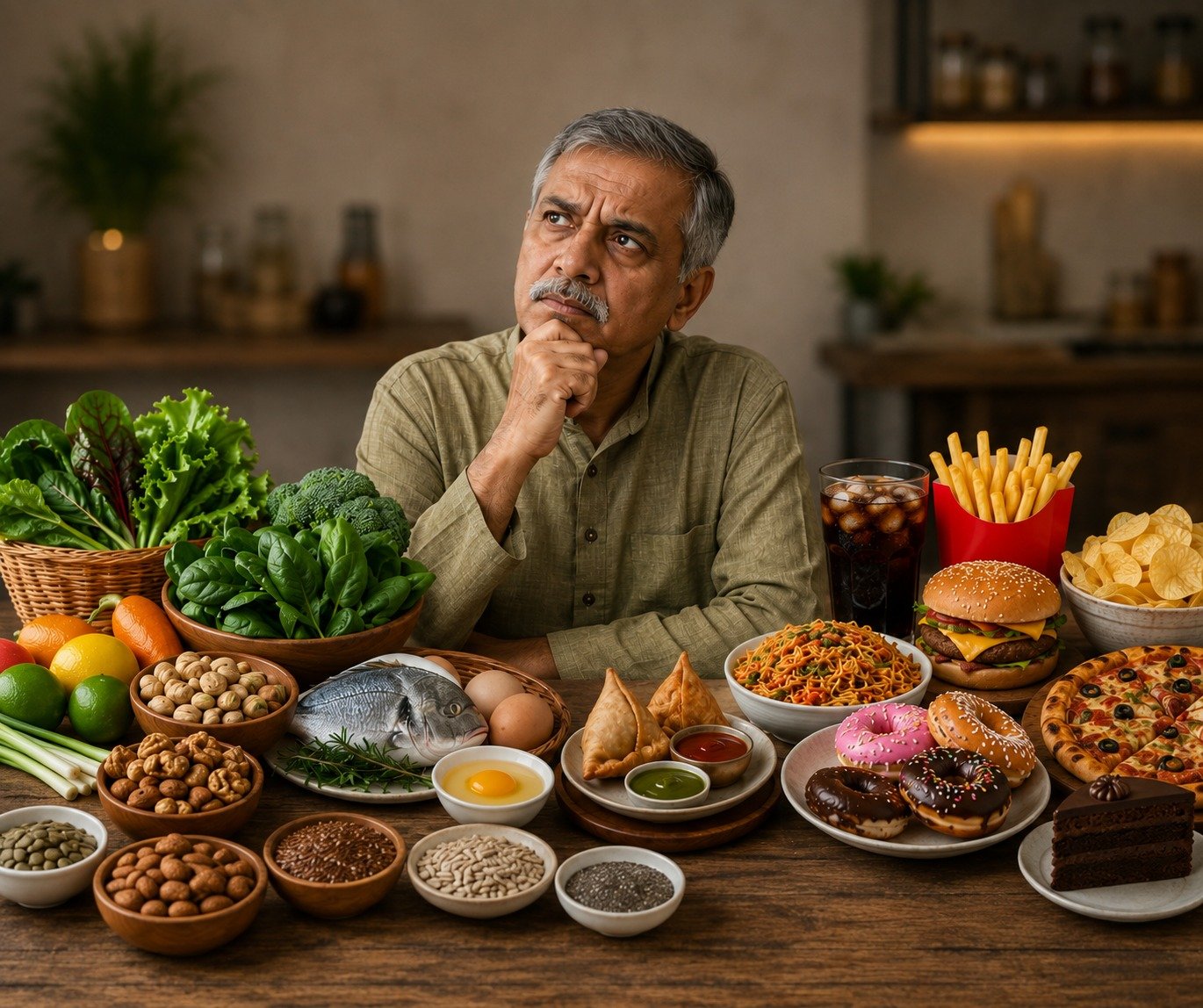
Yes, to some extent. Research suggests that nutrients such as vitamins C and E, lutein, zeaxanthin, and omega-3 fatty acids support overall eye health. These nutrients help protect the cells in your eyes from damage caused by free radicals.
A healthy diet won’t replace medical treatment if you already have a cataract, but it may help maintain healthy eyes and support overall vision as you age.
Foods That Are Good for Your Eyes
1. Green Leafy Vegetables
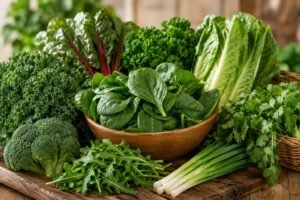
Spinach, kale, and other leafy greens are rich in lutein and zeaxanthin. These natural antioxidants help protect the lens and retina from damage.
2. Carrots
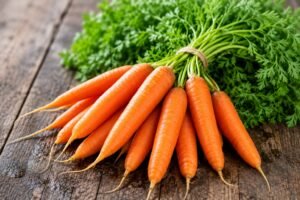
Carrots are well known for their vitamin A content, which is important for healthy vision. While they won’t improve eyesight overnight, they are a healthy addition to your diet.
3. Citrus
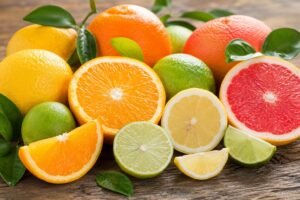
Fruits Oranges, lemons, sweet lime, and grapefruit are packed with vitamin C. This vitamin helps protect eye tissues from oxidative stress.
4. Fish
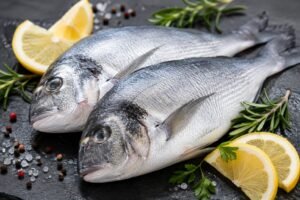
Fish like salmon, tuna, and sardines contain omega-3 fatty acids, which support overall eye function and may also help reduce dry eye symptoms.
5. Nuts
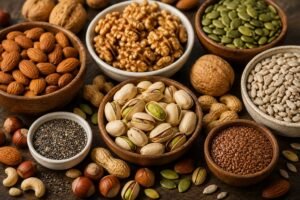
and Seeds Almonds, walnuts, sunflower seeds, and flaxseeds provide vitamin E and healthy fats that help protect eye cells from age-related damage.
6. Eggs
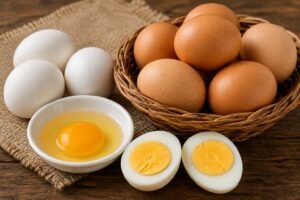
Egg yolks contain lutein, zeaxanthin and zinc, making them another nutritious choice for maintaining healthy eyes.
Lifestyle Habits That Support Eye Health
Your diet is only one part of keeping your eyes healthy. These simple habits also make a difference:
- Wear sunglasses when you’re outdoors.
- Don’t smoke, as smoking increases the risk of cataracts.
- Manage diabetes and blood pressure.
- Reduce excessive screen time and give your eyes regular breaks.
- Schedule routine eye examinations, especially after the age of 40.
When Should You See an Eye Specialist?
If you notice cloudy vision, difficulty driving at night, frequent changes in your glasses, or increased sensitivity to light, don’t assume it’s just ageing. These could be signs of cataracts or another eye condition that needs attention.
Consulting the Best cataract surgeon in Gurgaon can help you understand whether your symptoms are related to cataracts and what treatment options are available.
If surgery becomes necessary, choosing the Best Eye Hospital in Gurgaon ensures you receive a thorough evaluation, advanced technology, and proper care before and after the procedure.
Conclusion
A healthy diet won’t stop cataracts from developing completely, but it can support your overall eye health and may help slow age-related changes. Eating nutrient-rich foods, protecting your eyes from UV rays, and getting regular eye check-ups are simple steps that can make a real difference.
If your vision is becoming cloudy or affecting your daily routine, don’t wait for it to get worse. An eye examination can help identify the cause early and ensure you receive the right treatment at the right time.
Frequently Asked Questions
Foods rich in antioxidants, vitamins, and minerals may help protect your eyes from oxidative stress, a major factor in cataract development. Leafy green vegetables, carrots, citrus fruits, berries, almonds, fish rich in omega-3 fatty acids, eggs, and colorful vegetables contain nutrients like vitamins C and E, lutein, zeaxanthin, and zinc. While no food can completely prevent cataracts, maintaining a healthy diet alongside regular eye examinations can support long-term eye health and may help delay cataract progression.
Yes, a balanced diet may help slow the progression of cataracts by reducing oxidative damage to the eye's natural lens. Antioxidant-rich foods protect eye cells from free radicals that contribute to lens clouding. Consuming fruits, vegetables, whole grains, nuts, and healthy fats regularly supports overall eye health. However, diet alone cannot cure cataracts, and regular eye checkups remain essential for early detection and timely treatment when vision begins to decline.
Several vitamins play an important role in maintaining healthy eyes. Vitamin C supports the eye's natural tissues, while vitamin E helps protect cells from oxidative damage. Vitamin A is essential for clear vision, and nutrients such as lutein and zeaxanthin help filter harmful blue light. Zinc also contributes to normal eye function. Eating a variety of nutrient-rich foods provides these vitamins naturally and may help reduce the risk of age-related eye conditions, including cataracts.
Carrots are an excellent source of beta-carotene, which the body converts into vitamin A to support healthy vision. However, they are not the only food beneficial for eye health. Spinach, kale, broccoli, oranges, berries, eggs, salmon, and almonds also provide essential nutrients that help protect the eyes. A balanced diet with a variety of colorful fruits and vegetables offers broader nutritional benefits than relying on carrots alone for cataract prevention.
Many fruits provide nutrients that support eye health. Citrus fruits like oranges and lemons are rich in vitamin C, while berries contain antioxidants that help protect eye tissues. Kiwi, papaya, mango, and guava are also excellent sources of vitamins beneficial for vision. Regularly including a variety of fresh fruits in your diet may help reduce oxidative stress, support healthy eyes, and contribute to lowering the risk of age-related eye conditions such as cataracts.
Omega-3 fatty acids are important for maintaining healthy eyes and supporting proper retinal function. They may also help reduce inflammation and improve tear production, benefiting people with dry eyes. Fatty fish such as salmon, sardines, and mackerel are excellent sources of omega-3s. Although omega-3s cannot reverse cataracts, they contribute to overall eye health and may help lower the risk of several age-related eye conditions when included in a balanced diet.