



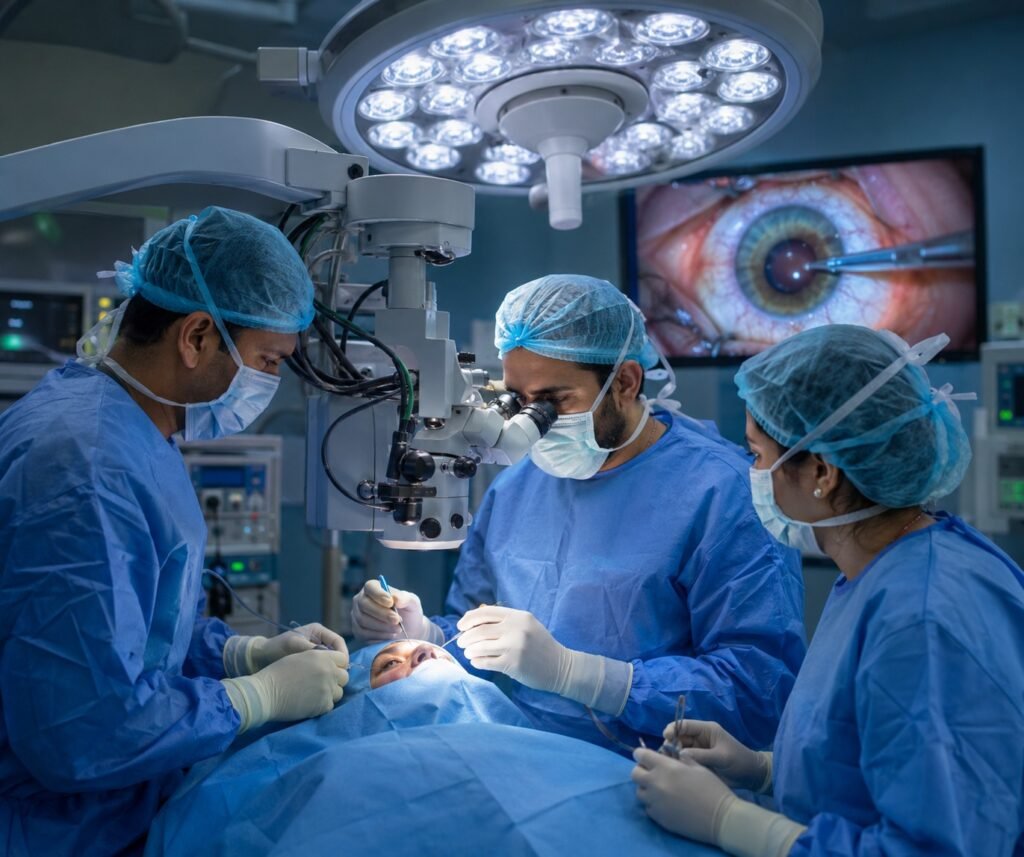
When your doctor tells you that you need cataract surgery, one of the first questions that probably comes to mind is, “Will it hurt?” It’s a completely normal concern. After all, the thought of having a procedure on your eye can make anyone feel nervous.
The good news is that cataract surgery is generally not painful. In fact, it is one of the safest and most successful surgeries performed today. With modern technology and experienced surgeons, most patients are surprised by how quick and comfortable the procedure actually is.
Why Doesn’t Cataract Surgery Hurt?
Before the surgery begins, your eye is numbed using special eye drops or local anesthesia. This means you stay awake during the procedure, but you shouldn’t feel pain.
You may notice a little pressure or see bright lights during the surgery, but these sensations are normal. Most patients describe the experience as slightly unusual rather than painful.
If you’re planning the procedure, choosing a clinic known for the Best cataract surgery in Gurgaon can help you feel more confident about the entire process.
How Long Does the Procedure Take?
The surgery itself usually takes around 15 to 30 minutes. However, you’ll spend a little more time at the clinic for eye preparation and a short recovery period before going home.
Since it is usually a day-care procedure, most patients return home the same day with a protective eye shield and detailed recovery instructions.
What Should You Expect After Surgery?
It’s normal to experience a few mild symptoms during the first couple of days, such as:
- Slight watering of the eyes
- Mild irritation

- Blurred vision at first

- Sensitivity to bright light

These symptoms usually improve as your eye heals. Your doctor will prescribe eye drops to prevent infection and reduce inflammation.
Most people are able to return to their normal routine within a few days, although complete healing may take around four to six weeks.
Tips for a Smooth Recovery
Recovering from cataract surgery is usually straightforward if you follow your doctor’s advice.
Here are a few simple things to remember:
- Use your prescribed eye drops regularly.
- Avoid rubbing or touching your eye.
- Wear protective glasses if advised.
- Stay away from dust and smoke for a few days.
- Avoid lifting heavy objects until your doctor says it’s safe.
Following these steps can help your eye heal comfortably and reduce the risk of complications.
Choosing the Right Eye Clinic Matters
While cataract surgery is a common procedure, the experience largely depends on where you get it done. An experienced surgeon, advanced equipment, and proper post-operative care all play an important role in achieving the best results.
If you’re looking for the best eye clinic in Gurugram, choose a clinic that offers a detailed eye evaluation, modern surgical technology, and personalized care before and after the procedure.
A good consultation will also give you enough time to ask questions and understand every step of the surgery, helping you feel more relaxed and prepared.
Conclusion
So, is cataract surgery painful? For most people, the answer is no. Thanks to modern techniques and anesthesia, the procedure is usually comfortable, quick, and highly successful.
If cloudy vision is making everyday activities difficult, don’t let the fear of pain stop you from getting treatment. Speaking with an experienced eye specialist can help you understand the procedure and make an informed decision. The right care at the right time can restore clear vision and improve your quality of life.
Frequently Asked Questions
A cataract is the clouding of the eye's natural lens, which causes blurry vision, glare, and difficulty seeing clearly.
Common symptoms include blurred vision, sensitivity to light, poor night vision, faded colors, and frequent changes in eyeglass prescriptions.
Cataracts commonly develop after the age of 60, but they can also occur earlier because of diabetes, eye injuries, genetics, or prolonged exposure to UV rays.
No, cataracts cannot be permanently cured with medicines or eye drops. Surgery is the only effective treatment once vision starts affecting daily activities.
Cataract surgery generally takes 15–30 minutes, and patients can usually return home the same day
No, cataracts do not come back after surgery. However, some patients may develop cloudiness behind the artificial lens, which can be treated with a simple laser procedure.