

Do your eyes feel dry, irritated, or tired even after using eye drops? Perhaps your eyes start burning after a long day at work, or your vision becomes blurry while using a laptop. Sometimes, the problem is not simply a lack of tears. It may be related to tiny oil glands inside your eyelids.
LipiFlow is a specialized treatment for certain types of dry eye disease caused by blocked oil glands. If you are considering this treatment, understanding how it works, who may benefit, and how much it costs can help you make a more informed decision.
What Is LipiFlow Treatment?
LipiFlow is a thermal pulsation treatment used for a condition called Meibomian Gland Dysfunction (MGD). These small glands in your eyelids produce oil that helps stop your tears from evaporating too quickly.
When the glands become blocked, the tear film may become unstable. This can lead to burning, redness, irritation, a gritty feeling, and sometimes watery eyes
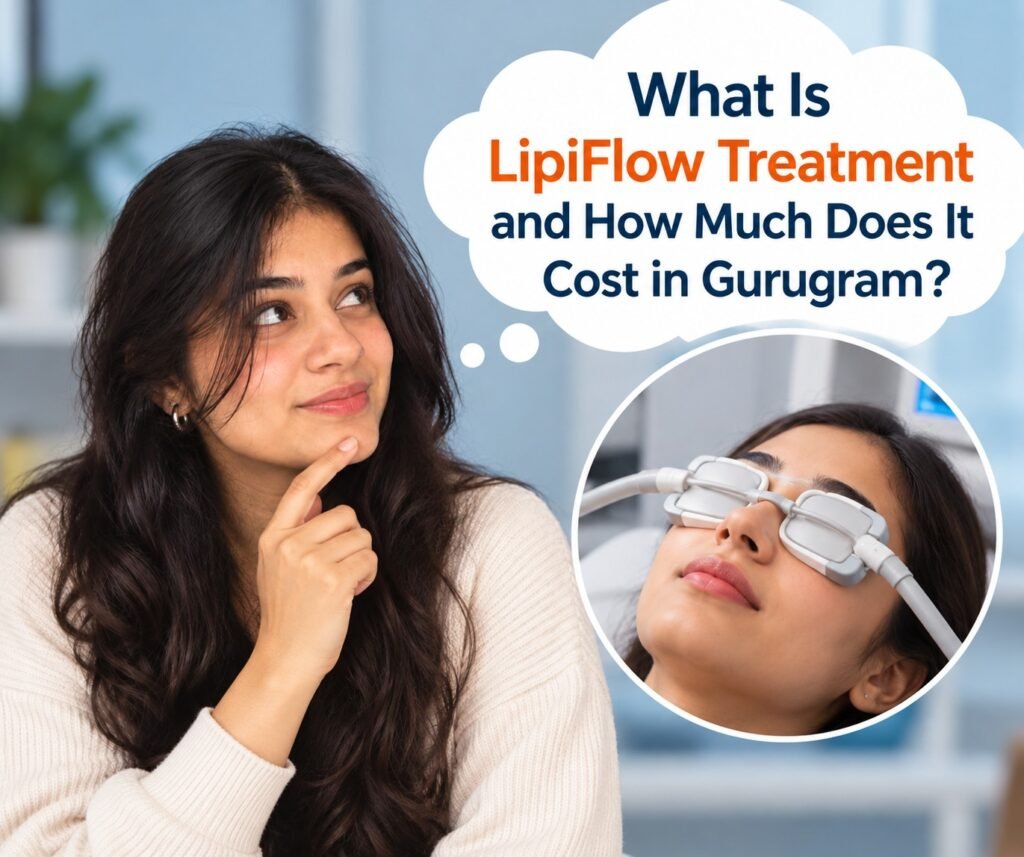
LipiFlow applies controlled heat to the inner eyelids while providing gentle pressure to the outer eyelids. This helps soften and release the oils blocking the glands.
The procedure generally takes around 12 minutes for treatment, although the complete clinic visit may take longer because of examination and preparation. It is performed by an eye-care professional using a specialised device
Who May Benefit From LipiFlow?

LipiFlow may be considered for people whose dry eye symptoms are linked to blocked or poorly functioning meibomian glands.
- You may need an assessment if you experience:
- Burning or stinging eyes that keep returning
- A gritty feeling, as though dust is trapped in your eyes
- Blurred vision that comes and goes
- Eye discomfort after long hours of screen use
- Dryness that continues despite using lubricating drops
For example, someone who works on a computer all day may assume that screen time is the only reason for their dry eyes. However, an examination may reveal blocked oil glands that also contribute to the problem.
LipiFlow is not suitable for every type of dry eye. Research suggests that its benefits can vary, and it may not work better than all other available treatments. Your eye doctor should decide whether it is appropriate for your condition.
How Much Does LipiFlow Treatment Cost in Gurugram?
The cost of LipiFlow treatment in Gurugram can vary depending on the clinic, the equipment available, the diagnostic tests required, and whether follow-up care is included.
Published estimates from Indian eye-care sources suggest a broad price range of approximately ₹17,000 to ₹40,000 per session. Some clinics may quote prices outside this range, and this should be treated as a general estimate rather than a confirmed price for every Gurugram clinic.
Before booking, ask the clinic:
- Does the price cover both eyes?
- Is a dry eye examination included?
- Are any additional tests or follow-up visits charged separately?
- Will you need other treatments alongside LipiFlow?
A consultation can help establish the actual cost after your doctor understands the cause and severity of your symptoms.
Why Is a Dry Eye Test Important Before Treatment?
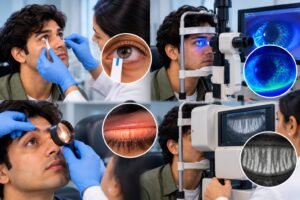
A Dry eye test in Gurugram can help identify whether your symptoms are caused by poor tear production, rapid tear evaporation, blocked oil glands, or another eye condition.
Depending on your symptoms, the examination may include tear film assessment, tear breakup time testing, eyelid examination, and evaluation of the meibomian glands.
This matters because the right treatment depends on the cause. Some people may improve with lubricating drops, warm compresses, and eyelid hygiene. Others may need prescription treatment or a specialised procedure
How Do You Choose a Dry Eye Doctor in Gurugram?
If you are searching for the Best dry eye doctor in Gurugram, look for an ophthalmologist who performs a proper evaluation before recommending advanced treatment.
At Barman Eye Care Centre, Dr. Keya Barman, Founder and Chief Ophthalmologist, holds an MBBS and MS in Ophthalmology from M. P. Shah Medical College, Jamnagar, and has completed a fellowship in Cataract and Refractive Surgery. A consultation can help you discuss your symptoms and suitable dry eye care options.
When comparing the BEST Dry Eyes hospital in Gurugram, consider diagnostic facilities, the range of available treatments, transparent pricing, and follow-up care. Do not choose a procedure simply because it is newer or more expensive.
Conclusion
LipiFlow uses controlled heat and gentle pressure to help clear blocked oil glands associated with certain types of dry eye disease. It may help selected patients, but results vary, and it is not necessary for everyone.
In Gurugram, published estimates suggest a cost of around ₹17,000–₹40,000 per session, although the exact price must be confirmed with the clinic. A proper dry eye examination is the best first step towards understanding whether LipiFlow is right for you.
Frequently Asked Questions
LipiFlow is an advanced treatment designed to manage evaporative dry eye caused by meibomian gland dysfunction (MGD). It uses controlled heat and gentle pulsations applied to the eyelids to help clear blockages in the meibomian glands. These glands produce the oily layer of tears that prevents excessive tear evaporation. By improving oil flow, LipiFlow may help stabilise the tear film and relieve symptoms such as burning, irritation, redness, and gritty sensations. An eye specialist first evaluates whether MGD is contributing to your dry-eye symptoms before recommending this treatment.
The cost of LipiFlow treatment in Gurugram can vary depending on the eye clinic, diagnostic tests, treatment requirements, and whether one or both eyes are treated. There is no single fixed price applicable to every patient. Before booking, ask the clinic for a complete cost estimate covering the consultation, dry-eye evaluation, procedure, and follow-up visits. A proper examination is important to determine whether LipiFlow is suitable for your condition.
LipiFlow may be suitable for adults experiencing evaporative dry eye due to meibomian gland dysfunction (MGD), particularly when blocked oil glands contribute to tear-film instability. People with frequent burning, irritation, gritty sensations, and fluctuating vision may benefit from an evaluation. However, it is not suitable for every type of dry eye. An ophthalmologist should examine your tear film and meibomian glands before recommending treatment.
J&J Vision Professional+1
A standard LipiFlow treatment session takes approximately 12 minutes. The device delivers controlled heat to the inner eyelids while applying gentle pulsating pressure externally to help clear blocked meibomian glands. It is an in-office procedure performed by an eye-care professional. The overall appointment may take longer because of the initial examination and preparation.
The duration of LipiFlow results varies depending on the severity of meibomian gland dysfunction and individual eye health. Some patients experience improvement in dry-eye symptoms and gland function for several months, while others may need continued dry-eye management. LipiFlow does not guarantee a permanent cure. Follow-up examinations help assess treatment response and determine whether additional care is required.
LipiFlow and lubricating eye drops serve different purposes. Eye drops help relieve dryness by supplementing moisture, whereas LipiFlow targets blocked meibomian glands using controlled heat and pressure. LipiFlow may be considered when meibomian gland dysfunction contributes to evaporative dry eye. However, clinical evidence does not establish that it is superior to all other dry-eye treatments. The appropriate option depends on the underlying cause and severity of your condition.
Cochrane