

If you’re thinking about getting rid of glasses or contact lenses, you’ve probably come across PRK eye surgery. Many people know about LASIK, but PRK (Photorefractive Keratectomy) is another trusted laser vision correction procedure that may be a better option for certain patients.
One of the most common questions people ask is, “How much does PRK eye surgery cost in Gurgaon?” The answer depends on several factors, including your eye condition, the technology used, and the clinic you choose.
In this blog, we’ll explain the cost of PRK surgery, what affects the pricing, and why choosing the right surgeon is just as important as the cost.
What is PRK Eye Surgery?
PRK (Photorefractive Keratectomy) is a type of laser vision correction procedure that helps treat:
- Myopia (Nearsightedness)
- Hyperopia (Farsightedness)
- Astigmatism
Unlike LASIK, PRK does not involve creating a corneal flap. Instead, the thin outer layer of the cornea is gently removed before the laser reshapes the cornea. This makes PRK a suitable option for people with thin corneas or those who may not be ideal candidates for LASIK.
Many people choose PRK eye surgery Gurgaon because it offers long-term vision correction with proven results.
PRK Surgery Cost in Gurugram
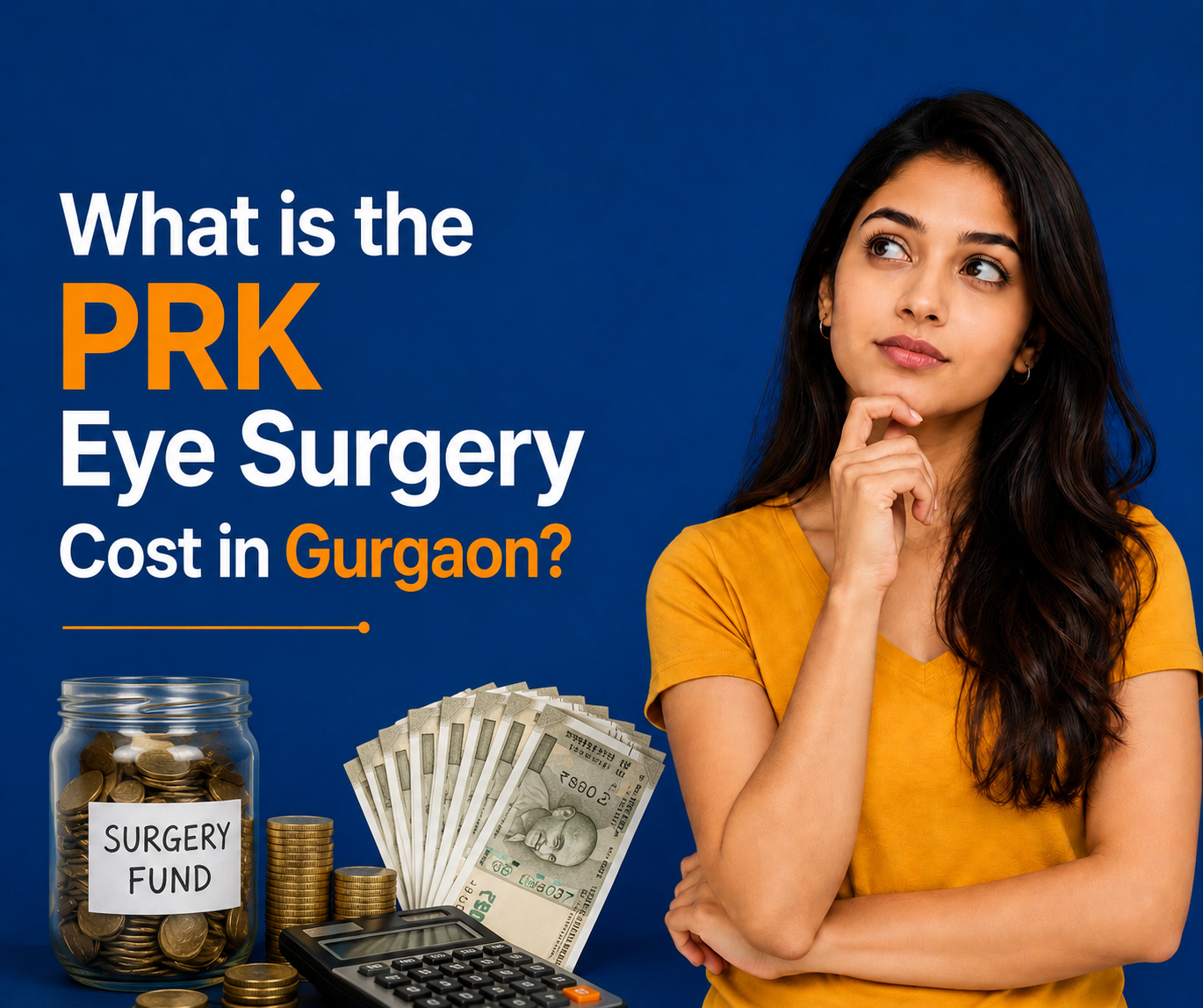
The cost of PRK surgery in Gurugram can vary depending on the clinic and the technology being used. On average, PRK eye surgery may cost anywhere between ₹25,000 and ₹60,000 per eye. Some premium eye hospitals may charge more if advanced laser systems or customized treatment plans are used.
Several factors can affect the overall cost, including:
- The experience of the surgeon
- The technology and laser equipment used
- Pre-surgery eye evaluation
- Post-surgery follow-up visits
- The complexity of your eye condition
Instead of choosing the lowest price, it’s better to understand what is included in the treatment package. A detailed consultation will give you a clearer idea of the total cost and whether PRK is the right procedure for your eyes.
Who is a Good Candidate for PRK?
PRK is often recommended for people who:
- Have thin corneas
- Have stable eye power
- Are above 18 years of age
- Want to reduce dependence on glasses or contact lenses
- Play contact sports where flap-based surgery may not be ideal
Your eye specialist will perform a detailed eye examination before recommending PRK or any other laser procedure.
What is Recovery Like?
PRK takes a little longer to recover compared to LASIK. Most people can return to their routine within a few days, but vision may continue to improve gradually over the next few weeks.
During recovery, your doctor may advise you to:
- Use prescribed eye drops regularly

- Avoid rubbing your eyes

- Wear sunglasses while outdoors

- Attend all follow-up appointments

Following these instructions helps ensure a smooth recovery and better results.
Why Choosing the Right Surgeon Matters
When it comes to laser vision correction, experience matters as much as technology. Choosing the Best PRK Surgeon in Gurgaon means you’ll receive a thorough eye evaluation, honest advice about your suitability for surgery, and proper care before and after the procedure.
Many eye hospitals today also offer different types of Refractive surgery Gurgaon, including LASIK, SMILE, Contour Vision, and PRK. An experienced specialist will recommend the procedure that best matches your eye health rather than suggesting the same treatment for everyone.
Conclusion
PRK eye surgery is a safe and effective option for people who want freedom from glasses or contact lenses, especially if they are not suitable candidates for LASIK. While the cost of PRK surgery in Gurugram varies, the right decision should be based on your eye condition, the surgeon’s experience, and the quality of care you receive.
If you’re considering PRK eye surgery Gurgaon, schedule a detailed eye examination first. A proper consultation will help you understand the expected cost, the procedure, and whether PRK is the best choice for your vision.
Frequently Asked Questions
Most patients notice an improvement in their vision within 5–7 days after PRK surgery, but complete recovery can take several weeks to a few months. During the first few days, you may experience blurry vision, sensitivity to light, and mild discomfort. Doctors usually recommend avoiding swimming, heavy exercise, and rubbing your eyes during the healing period.
Simple example: Think of PRK recovery like a small scratch on your skin—it starts healing quickly, but the skin needs additional time to become completely smooth again. Following your doctor's instructions and using prescribed eye drops can speed up the recovery process.
The cost of PRK surgery in India generally ranges from ₹30,000 to ₹80,000 for both eyes, depending on the surgeon's experience, the technology used, and the hospital's location. The final price may also include pre-surgery tests, medications, and follow-up visits.
Simple example: Just as the price of a smartphone varies based on its features, PRK surgery costs can differ depending on the equipment and level of care provided. Choosing an experienced eye surgeon is often more important than selecting the lowest price.
PRK surgery itself is not painful because numbing eye drops are used during the procedure. However, some patients may experience mild discomfort, irritation, or a burning sensation for the first few days after surgery while the surface of the eye heals.
Simple example: It feels similar to having dust or an eyelash in your eye for a short period. Most patients find that the discomfort improves significantly within three to five days with proper medication and rest.
PRK and LASIK are both effective vision-correction procedures, but the better option depends on your eye condition and lifestyle. PRK is often recommended for people with thin corneas, athletes, or individuals involved in contact sports because it does not require creating a corneal flap. LASIK usually offers faster visual recovery.
Simple example: Choosing between PRK and LASIK is like choosing between two different routes to the same destination—one route may be faster, while the other may be safer for certain travelers. An eye specialist can help determine the best option for you.
Yes, PRK is allowed in many branches of the Indian Armed Forces, but eligibility depends on specific medical standards, recovery time, and recruitment guidelines. Candidates are usually required to wait for a specified period after surgery and must meet vision requirements during the medical examination.
Simple example: Passing the Army medical test after PRK is similar to passing a fitness test after recovering from an injury—you must prove that your vision is stable and meets the required standards. Always check the latest recruitment rules before undergoing surgery.