

If you’ve been told you need cataract surgery, there’s a good chance your doctor mentioned two options: traditional surgery and laser-assisted surgery. And now you’re wondering which one is actually better, which one is safer, and whether the extra cost of laser is worth it.
Let’s talk through both honestly, so you can walk into your consultation already knowing the right questions to ask.
What Is Traditional Cataract Surgery?
Traditional cataract surgery, also called phacoemulsification, has been performed successfully for decades. The surgeon manually creates a small incision in the cornea, uses ultrasound energy to break up the cloudy lens, suctions it out, and places the new artificial lens inside.
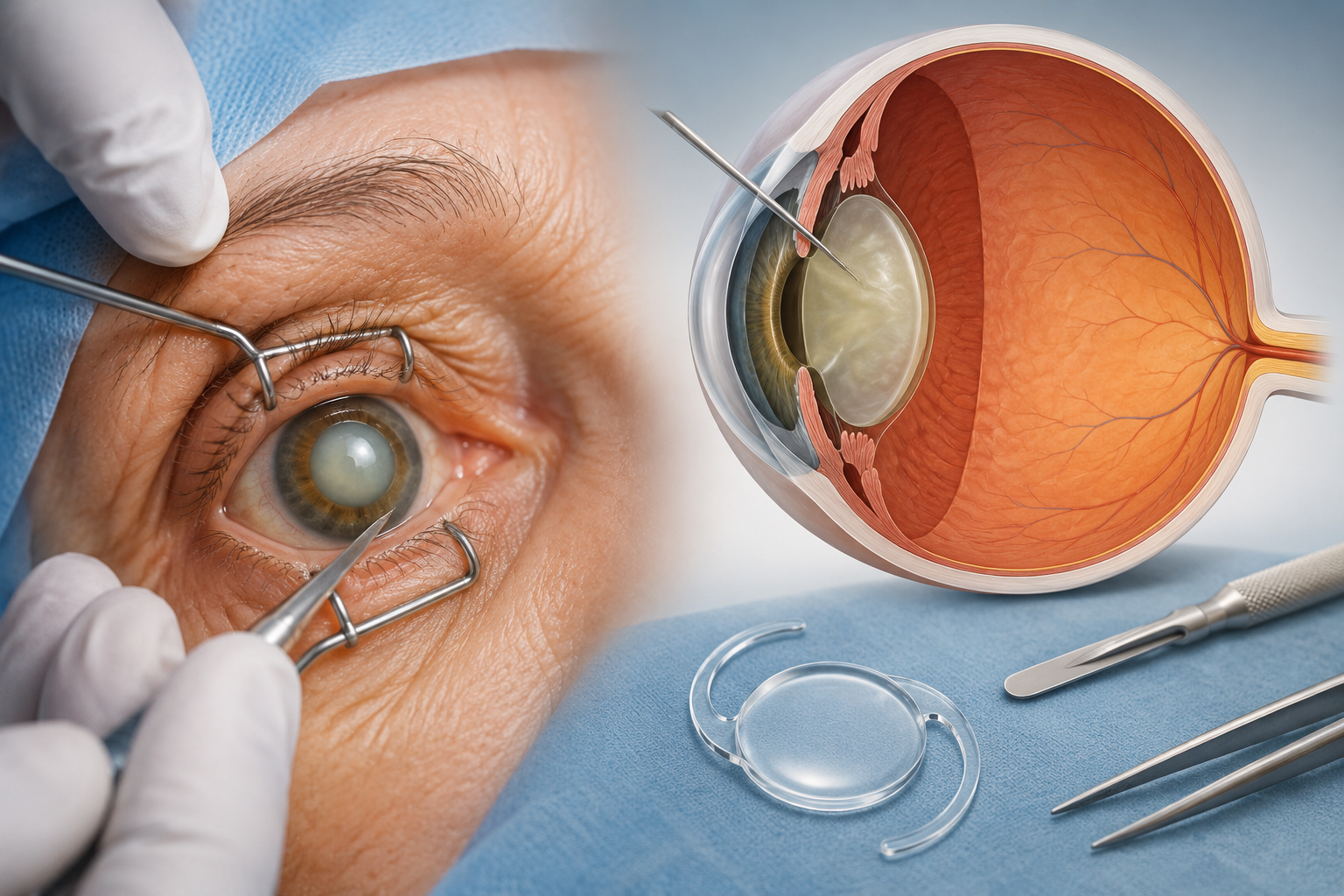
It is a highly refined, safe procedure with an excellent track record. Millions of people have had it done worldwide with outstanding results. The word “traditional” can make it sound outdated, but it really isn’t. In the right hands, it delivers consistently strong outcomes.
What Is Laser Cataract Surgery?
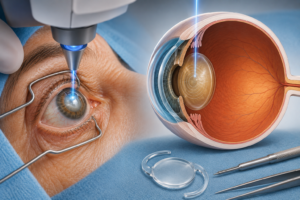
Laser cataract surgery , technically called femtosecond laser-assisted cataract surgery (FLACS), uses a laser to perform some of the steps that the surgeon does manually in traditional surgery. This includes making the corneal incision, creating the opening in the lens capsule, and softening the cataract before it’s removed.
The keyword here is “assisted.” The laser handles certain preparatory steps with a high level of precision, and then the surgeon completes the rest of the procedure.
Where Laser Surgery Has a Genuine Advantage
The laser offers measurable benefits in specific situations:
Capsule opening precision: The circular opening made in the lens capsule during laser surgery is consistently more precise than a manually made one. This helps center the new lens more accurately, which is particularly important when premium multifocal or toric lenses are used.
Cataract softening: The laser pre-softens the cataract before removal, reducing the ultrasound energy required during the procedure. For very dense cataracts, this can reduce stress on the surrounding eye tissue.
Incision consistency: Laser-made incisions are highly reproducible and self-sealing, which contributes to a more predictable surgical outcome.
Where Traditional Surgery Holds Its Ground
Here’s what often gets left out of the laser-versus-traditional conversation. For straightforward cataracts with a standard monofocal lens, an experienced surgeon performing traditional phacoemulsification produces results that are just as good as laser-assisted surgery.
The outcomes in terms of vision clarity, recovery time, and safety are comparable when the right technique is matched to the right patient. Traditional surgery also costs significantly less , which matters for patients who don’t need the additional precision that laser provides.
So Which One Is Actually Better?
The honest answer is, it depends on your specific situation.
Laser surgery tends to add the most value when:
- A premium lens like a multifocal or toric IOL is being used, where precise placement matters more
- The cataract is particularly dense and needs softening before removal
- Maximum precision in the capsule opening is a clinical priority
Traditional surgery remains an excellent choice when:
- A standard monofocal lens is being placed
- The cataract is at a moderate stage
- Cost is a consideration and the clinical need for laser assistance isn’t strong
This is not a decision you should make based on what sounds more advanced. It should be based on what your eyes actually need.
Getting the Right Advice
The most important thing you can do before committing to either option is getting a thorough evaluation from someone who performs both regularly and recommends based on clinical need, not upselling.
A cataract specialist in Gurgaon with genuine experience in both techniques will look at your scan results, the density of your cataract, and the lens you’re planning to have, and then give you an honest recommendation. That’s the conversation worth having.
The best eye clinic in Gurgaon for cataract surgery will have both technologies available, which removes any bias toward recommending whichever one the clinic happens to be promoting. Transparent advice, clear pricing, and proper pre-surgery evaluation are what you should be looking for.
Conclusion
Laser cataract surgery is not automatically better than traditional surgery, and traditional surgery is not outdated just because something newer exists. Both have their place, and the right choice depends entirely on your individual eye health, the type of lens you’re having, and what the surgeon’s evaluation recommends. Focus less on which sounds more impressive and more on finding the right specialist to guide that decision.
Frequently Asked Questions
A cataract is a clouding of the eye’s natural lens that causes blurry or hazy vision. It usually develops gradually with age but can also occur due to diabetes, eye injury, certain medications, or other eye conditions.
Early cataract symptoms may include blurry vision, increased sensitivity to light, difficulty seeing at night, faded colors, frequent changes in glasses prescription, and halos around lights.
Cataracts cannot always be prevented, especially age-related cataracts. Protecting your eyes from excessive UV exposure, controlling conditions such as diabetes, avoiding smoking, and having regular eye examinations may help reduce risk.
Cataracts usually become progressively cloudier over time, leading to worsening vision, glare, difficulty driving at night, and problems with daily activities. An eye examination can determine when treatment is appropriate.
Cataract surgery is generally considered when cataracts interfere with everyday activities such as reading, driving, working, watching television, or recognizing faces—not simply based on a particular cataract grade or age.
Yes. Cataracts commonly develop in both eyes, although they may progress at different rates. Surgery is generally performed separately for each eye when treatment is needed.