



Most people hear the word cataract and assume it’s just one thing, a cloudy eye that comes with old age. But cataracts aren’t all the same. There are actually different types, they develop in different parts of the lens, and they affect your vision in different ways. Understanding which type you or a family member has makes a big difference in knowing what to expect and what treatment makes sense.
So let’s go through each one simply.
What Is a Cataract, First of All?
Your eye has a natural lens sitting just behind the pupil. In a healthy eye, this lens is clear and allows light to pass through and focus properly on the retina. A cataract is when this lens becomes cloudy, scattering the light instead of focusing it which leads to blurry, hazy, or dim vision.
It doesn’t happen overnight. Most cataracts develop slowly over months or years, which is why a lot of people don’t notice the change until it’s already affecting their daily life.
The Most Common Types of Cataracts
1. Nuclear Cataract

This is the most common type, especially in older adults. It forms right at the center of the lens, the nucleus and tends to develop slowly. In the early stages, some people actually notice a temporary improvement in their near vision, sometimes called “second sight.” But this doesn’t last. Over time, the center of the lens hardens and turns yellowish or even brownish, making everything look dull and colors appear washed out.
2. Cortical Cataract

This type starts at the outer edges of the lens and works its way inward toward the center in a wedge or spoke-like pattern. People with cortical cataracts often struggle with glare headlights at night become particularly difficult. It’s more common in people with diabetes and tends to progress faster than nuclear cataracts.
3. Posterior Subcapsular Cataract (PSC)
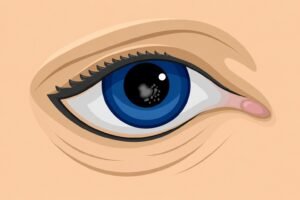
This one forms at the back of the lens, right beneath the lens capsule. It’s smaller in size but can cause significant vision problems because of its position. Reading vision gets affected early, and glare and halos around lights become very noticeable. PSC cataracts also tend to progress faster than the other types. They’re more common in younger people, those on long-term steroid medications, or people with conditions like diabetes.
4. Anterior Subcapsular Cataract
Similar to PSC but forms at the front of the lens capsule. It’s less common and often linked to trauma or skin conditions like atopic dermatitis.
5. Congenital Cataract
Some children are born with cataracts or develop them in early childhood. These can affect one or both eyes and need to be identified and treated early to prevent long-term vision problems. Early detection during routine pediatric eye checks is essential here.
6. Traumatic Cataract
As the name suggests, this develops after an injury to the eye. It can appear immediately after trauma or develop months to years later. The pattern of clouding depends entirely on the nature of the injury.
7. Secondary / Radiation Cataract
These develop as a side effect of other medical conditions or treatments, prolonged steroid use, radiation therapy, or certain systemic diseases. They’re becoming more commonly recognized as more people undergo treatment for other conditions.
Does the Type Affect Treatment?
The treatment for all cataracts is the same, surgical removal of the cloudy lens and replacement with a clear artificial one. But the type can affect how quickly surgery becomes necessary and what challenges the surgeon might face during the procedure.

A dense nuclear cataract, for example, may require more ultrasound energy to break up during phacoemulsification. A PSC cataract, despite being smaller, might affect vision enough to warrant earlier surgery because of where it sits.
When Should You Get Checked?
If you’re noticing blurry vision, increasing glare, difficulty reading, or frequent changes in your glasses prescription, don’t keep adjusting to it. These are signs worth getting properly evaluated.
The best eye clinic in Gurugram can diagnose exactly which type of cataract is present, how advanced it is, and when the right time for surgery is because timing matters just as much as the procedure itself.
When surgery is recommended, choosing a place known for best cataract surgery in Gurgaon ensures you’re getting experienced hands, the right lens options for your lifestyle, and proper post-operative care, all of which directly affect how well you see after the procedure.
Conclusion
Cataracts come in more forms than most people realize, and each type behaves a little differently. What they all have in common is that they’re treatable, and outcomes with modern surgery are excellent when the condition is caught and managed at the right time. If you or someone in your family has been putting off an eye check-up, now is a good time to stop waiting.